Little Story Font for Creative Design
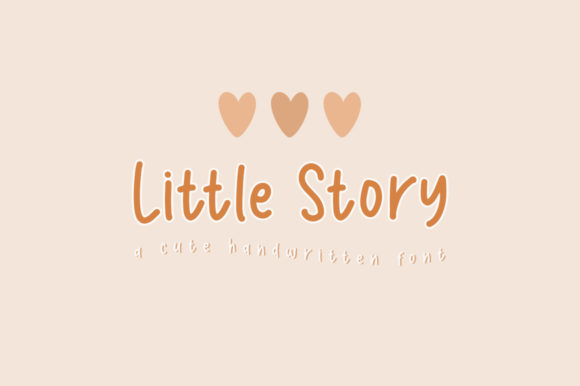
Little Story is a handwritten font that brings warmth and personality to any editorial project. Its natural, quirky style makes it ideal for a wide range of publishing needs, from blog headers to printable guides. As a script font, it offers a friendly tone that can elevate the visual appeal of your content without sacrificing readability.
Designed with a focus on authenticity, Little Story mimics the fluidity of real handwriting. This gives it an organic feel that stands out in a sea of rigid typefaces. Whether you're working on a lifestyle blog, a recipe ebook, or a digital magazine, this font adds a unique touch that feels personal and inviting.
Using Little Story in Editorial Design
For editorial designers, Little Story provides a versatile tool for creating engaging layouts. It works exceptionally well as a heading or subheading, adding a sense of charm to article titles, section breaks, and cover text. Its irregular shapes and subtle variations make it perfect for pull quotes, quote graphics, and chapter openers that demand visual interest.
When used in magazine covers or blog headers, Little Story can help establish a brand’s identity. Its playful yet professional appearance makes it suitable for both casual and refined publications. Pairing it with a clean sans serif or a readable serif font enhances its effectiveness, creating a balanced contrast that improves overall readability.
Applications Across Content Formats
Little Story is especially effective in content that benefits from a personal touch. For example, a lifestyle blog might use it for headlines and section dividers, while a recipe ebook could feature it in title pages and ingredient lists. Its ability to convey friendliness makes it a strong choice for wedding guides, coaching workbooks, and printable planners.
In newsletters and lead magnets, Little Story can be used to create eye-catching graphics that stand out in a crowded inbox. It also works well for social media graphics and web design elements where a creative font adds character without overwhelming the viewer.
Readability and Practical Considerations
While Little Story is a display font, it maintains a level of legibility that makes it suitable for short-form text. When used in headings, it draws attention effectively, but for longer paragraphs, it’s best paired with a more structured typeface. This ensures that your content remains accessible across different platforms, including mobile devices, PDFs, and print materials.
Designers should also consider the font’s multilingual support when working on international projects. If the font includes alternate characters and ligatures, these can enhance the typography’s sophistication and adaptability. Checking the available weights and styles helps ensure consistency in branding and layout decisions.
Pairing Little Story with Other Fonts
Effective font pairing is essential for maintaining visual harmony in editorial design. A common approach is to pair Little Story with a serif font for body copy, which provides a clear contrast and improves readability. Alternatively, a modern sans serif can serve as a complementary font for captions, navigation elements, or callout boxes.
This font also works well in logo design and packaging, where its handwritten quality can add a sense of authenticity. When combined with other creative fonts, it contributes to a cohesive design language that reinforces brand identity.
Commercial Licensing and Usage
For content creators and publishers, understanding commercial licensing is crucial. Little Story, as a premium font from Script Amp, allows for use in various publishing formats, including ebooks, templates, printables, paid newsletters, and client projects. Always review the license agreement to ensure compliance with specific usage terms.
Whether you’re designing a digital magazine or crafting a printable worksheet, Little Story offers a reliable and expressive option for enhancing your editorial work. Its unique character and versatility make it a valuable addition to any designer’s toolkit.
By incorporating Little Story into your design process, you can create content that feels more personal and engaging. Its friendly style supports reader connection, making it an excellent choice for anyone looking to elevate their editorial projects with a touch of creativity and warmth.